
Effortlessly Convert PNG Images to WebP Format
Effortlessly Convert PNG Images to WebP Format
If you’re looking to optimize your images for the web, using a png to webp converter is essential. The WebP format offers superior compression techniques, enabling smaller file sizes without sacrificing quality. In this article, we will delve into the benefits of using WebP, the advantages of converting PNG files, and how to seamlessly execute the conversion process.
Understanding the PNG Format
PNG, or Portable Network Graphics, is a popular image format that supports lossless compression. It’s widely used for images with transparency and detailed graphics like logos and illustrations. However, despite its benefits, PNG files can be quite large, which can be detrimental for website loading times and overall performance.
The Downside of PNG
While PNG images retain high quality and offer transparency support, their larger file size can lead to slower website performance, especially on mobile devices with limited bandwidth. Each additional kilobyte can impact the user experience. This is where converting PNG files to WebP can make a notable difference.
Why Choose WebP?
WebP is an image format developed by Google that provides both lossy and lossless compression methods. One of its primary advantages is reducing file size significantly compared to PNG and JPEG formats, making WebP an excellent choice for web developers and designers focused on speed and performance.
Benefits of Using WebP
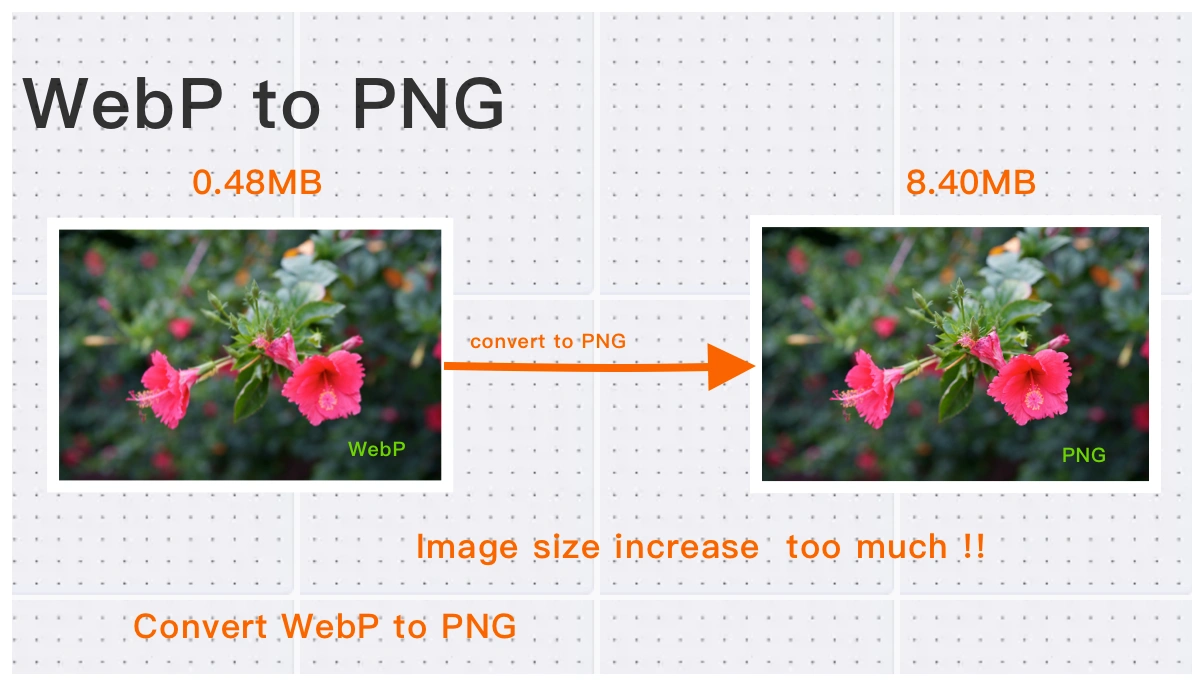
- Smaller File Sizes: WebP images can be up to 80% smaller than PNGs, helping improve website loading times.
- Quality Preservation: Even with lossy compression, WebP maintains high-quality visuals, making it ideal for rich imagery.
- Transparency Support: Like PNG, WebP also supports transparency, allowing for versatile design options.
- Animation Capability: WebP supports animated content, reducing the need for GIFs in many cases.
How to Convert PNG to WebP
Converting PNG images to WebP format is a straightforward process. There are numerous tools available online, including dedicated software and simple web-based converters. Here’s a step-by-step guide to help you through the conversion:
Step 1: Choose a Converter
Select a reliable png to webp converter that fits your needs. Online tools are convenient because they do not require any installation and can be accessed from any device with an internet connection.
Step 2: Upload Your PNG File
Once you’ve chosen your converter, you will typically find an option to upload your PNG file. Click the upload button and navigate through your files to select the image you want to convert.
Step 3: Adjust Settings (if applicable)
While many converters work with default settings, some may allow you to choose options like the compression level or whether you want a lossy or lossless conversion. Adjust these settings according to your needs.
Step 4: Start the Conversion
After uploading and adjusting any settings, click the convert button. The tool will process the image, which usually takes just a few seconds.
Step 5: Download the WebP File
Once the conversion is complete, you’ll receive a download link. Click the link to receive your newly converted WebP file. Make sure to test the image to ensure it meets your quality standards.
Common Use Cases for WebP
WebP images are widely used in various applications and platforms. Here are some common scenarios where converting images to WebP can be beneficial:
Website Optimization
For web developers, switching to WebP can dramatically reduce loading times, especially on image-heavy websites. Faster loading pages contribute to better SEO rankings and improved user experience.
Mobile Applications
Mobile applications, especially those heavy on images, benefit from using WebP since it minimizes data usage and boosts performance on mobile networks.
E-commerce Platforms
Online stores can enhance user experience by using WebP images. The faster load times can lead to lower bounce rates and potentially higher sales conversions.
Conclusion
Converting PNG images to the WebP format can have myriad benefits, particularly for web developers and graphic designers focused on performance and quality. With the growing emphasis on web speed and user experience, taking advantage of a png to webp converter can help future-proof your content and enhance digital presence.
As web technology continues to advance, adopting formats like WebP will become even more crucial for effectively delivering visual content. Start converting your PNGs today and experience the many advantages that come with the WebP format.